


Changes in the polar regions are driving global risks
______
We translate climate science into actionable ESG strategies
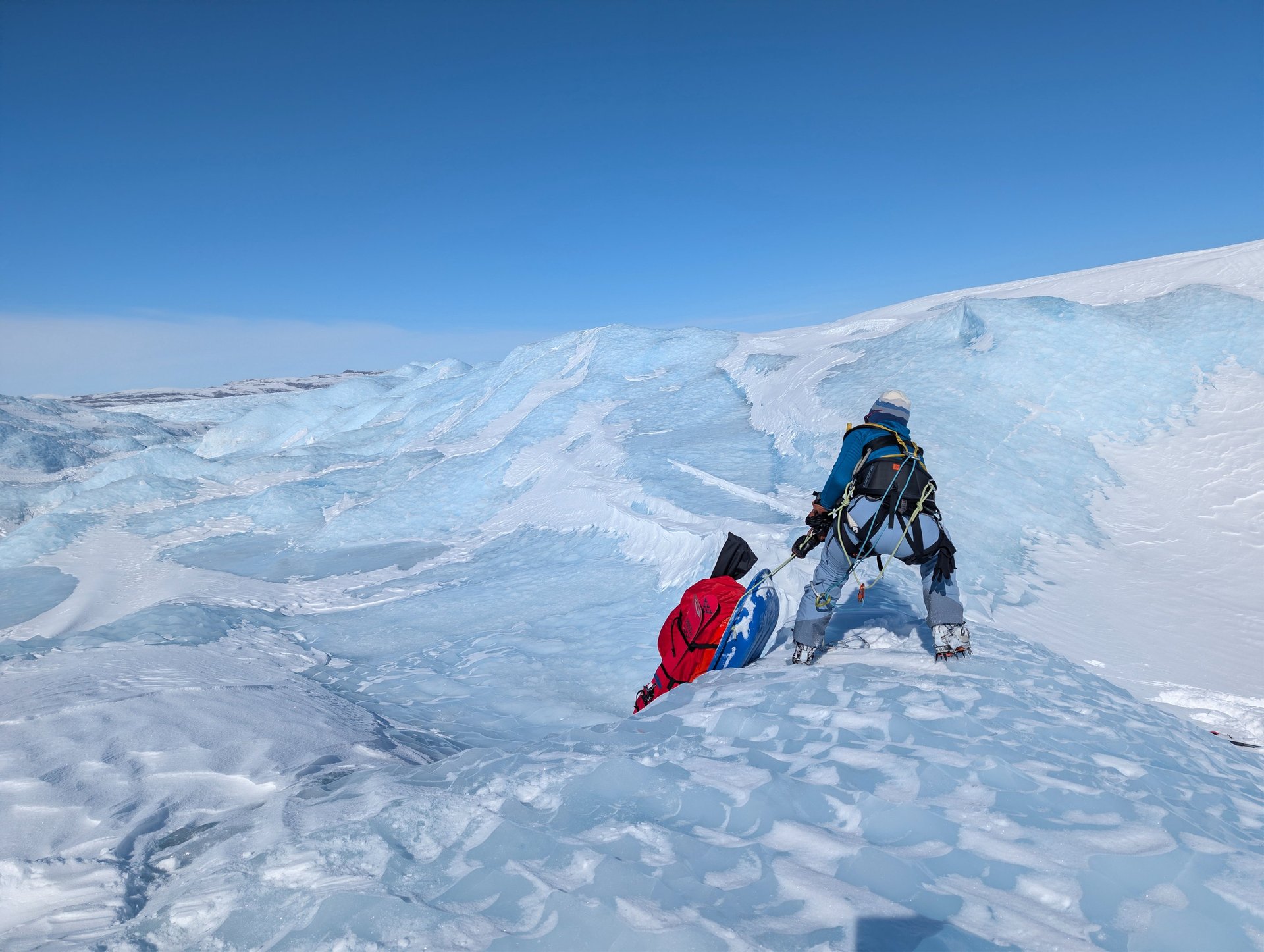
The Frontier of Climate Change
The polar regions are the most sensitive frontiers of global climate change. Melting glaciers are not merely a geographic event—they are an alarm signaling imbalance across the entire global system. As temperatures rise, icefields retreat, ocean currents redirect, and pressure belts shift. In their wake, energy prices, shipping routes, ecosystems, and geopolitical landscapes are all quietly transforming.
These polar warning signals translate into an increasingly complex risk matrix: supply chain disruptions, asset value volatility, rising carbon costs, and market realignment. Therefore, climate change is no longer a distant scenario—it is a variable already reshaping operations and investment decisions today.
Climate Risk & ESG Advisory
We help you identify your exposure to climate and polar risks, evaluate future scenarios, and build strategies that strengthen resilience and unlock sustainable opportunities.
______
From Framework to Real-World Impact
______
Our advisory work extends to the highest levels of industry dialogue. When global shipping leaders gathered at the Manley Group ESG Forum to confront the future of Arctic navigation, our expert Dr. Wilson Wai Yin Cheung offered a perspective that exemplifies how we guide clients through complexity—balancing commercial opportunity with environmental and ethical responsibility.
"Arctic Ocean 2025–2035: Risks, Routes, and Responsible Opportunities for the Shipping Industry"
Why Partner With Us
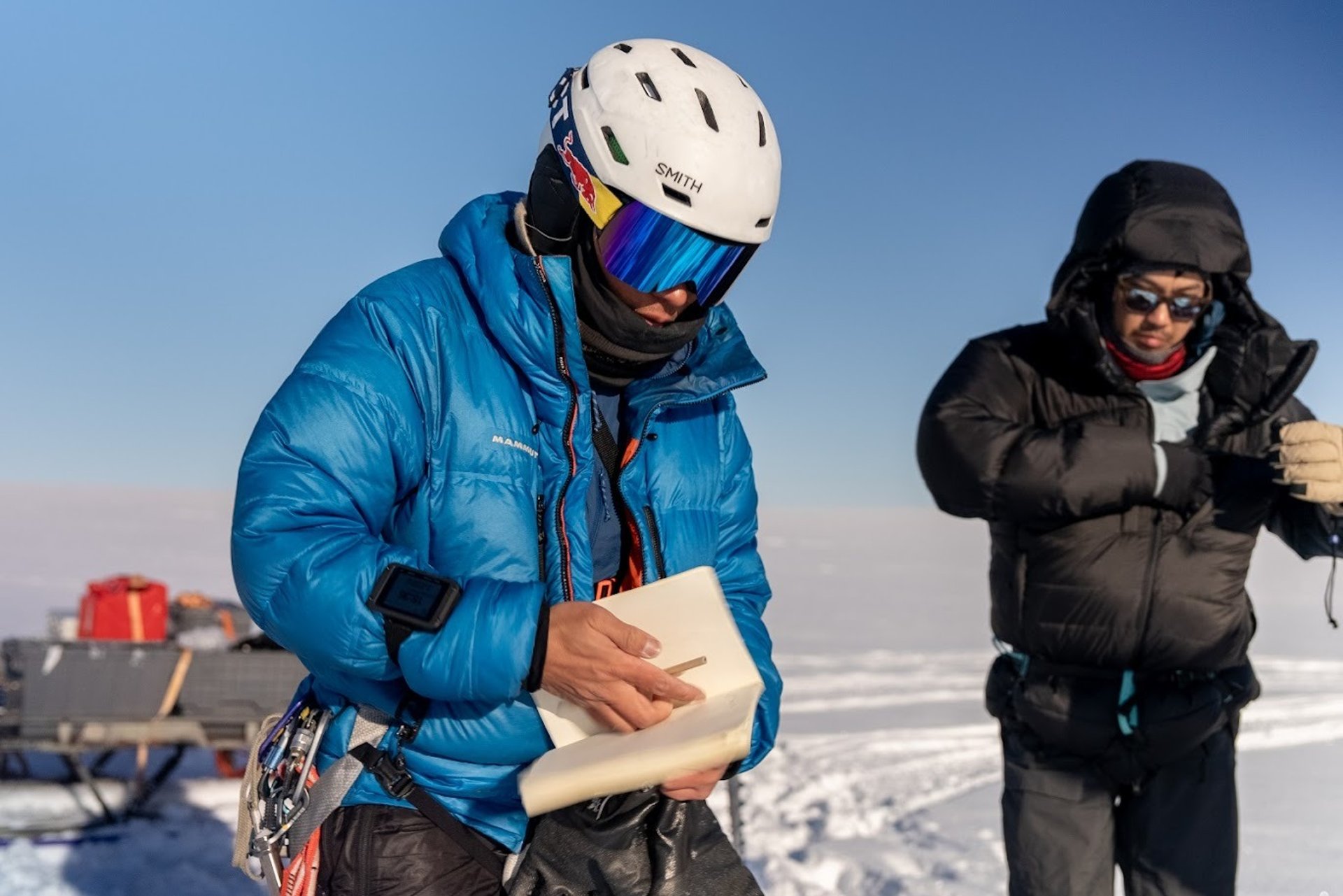
Our strength lies in combining frontline experience with rigorous scientific analysis. Backed by deep polar research expertise and an interdisciplinary perspective, we help companies stay ahead of emerging risks and turn ESG challenges into lasting competitive advantage.
Contact us today to build your climate resilience strategy.
______